Modern business operations require a high degree of transparency to ensure that every milestone is met on schedule. Without a clear view of task ownership, organisations often struggle with overlapping responsibilities and missed deadlines. Establishing a culture of accountability starts with providing teams the right framework to visualise their daily progress.
Successful leaders understand that implementing project tracking tools is essential for maintaining a high-performance environment. These digital solutions allow managers to assign specific tasks and monitor completion rates in real-time. This level of clarity helps prevent small oversights from turning into major project roadblocks.
Visualizing the workflow through dynamic dashboards enables departments to identify which stages of a project require additional resources. When data is presented clearly, stakeholders can make informed adjustments to timelines without disrupting the entire production cycle. This adaptability is a core component of any resilient and forward-thinking business strategy.
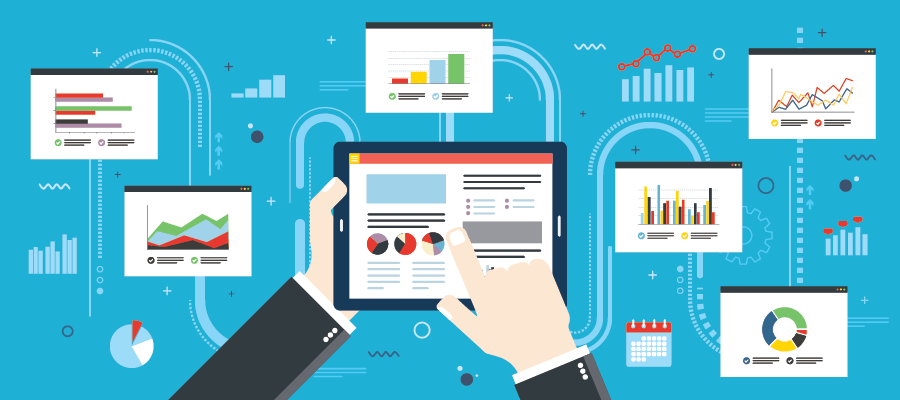
Effective communication is the backbone of successful execution, particularly when teams are distributed across different locations. Centralizing all updates within a single platform ensures that everyone is looking at the most current version of the project plan. This reduces the need for lengthy status meetings and constant email follow-ups.
The integration of project tracking tools into the daily routine empowers employees to take full ownership of their assigned work. When individuals can see how their contributions fit into the larger organisational goals, their engagement and productivity levels naturally increase. This alignment is vital for long-term growth.
Data-driven insights gained from tracking historical performance allow for more accurate future planning and resource forecasting. By reviewing past project lifecycles, management can refine their processes and set more realistic expectations for upcoming initiatives. Continuous improvement becomes a standard part of the corporate identity and operational philosophy.
Eliminating the ambiguity surrounding project status builds trust between team members and their leadership. When progress is visible to all authorized parties, the need for micromanagement disappears, allowing managers to focus on high-level strategy. This environment fosters innovation as teams feel supported by a clear and organized structure.
Selecting a comprehensive Project tracking software solution provides the technical foundation necessary for scaling complex operations. Such platforms bridge the gap between abstract planning and concrete execution, ensuring that no detail is lost in translation. Investing in these tools signals a commitment to operational excellence.
In conclusion, achieving consistent results requires a disciplined approach to monitoring every phase of the business journey. By prioritizing visibility and accountability, organizations can navigate challenges with greater ease and confidence. The right tracking framework transforms chaotic workflows into streamlined paths toward achieving significant corporate milestones.
